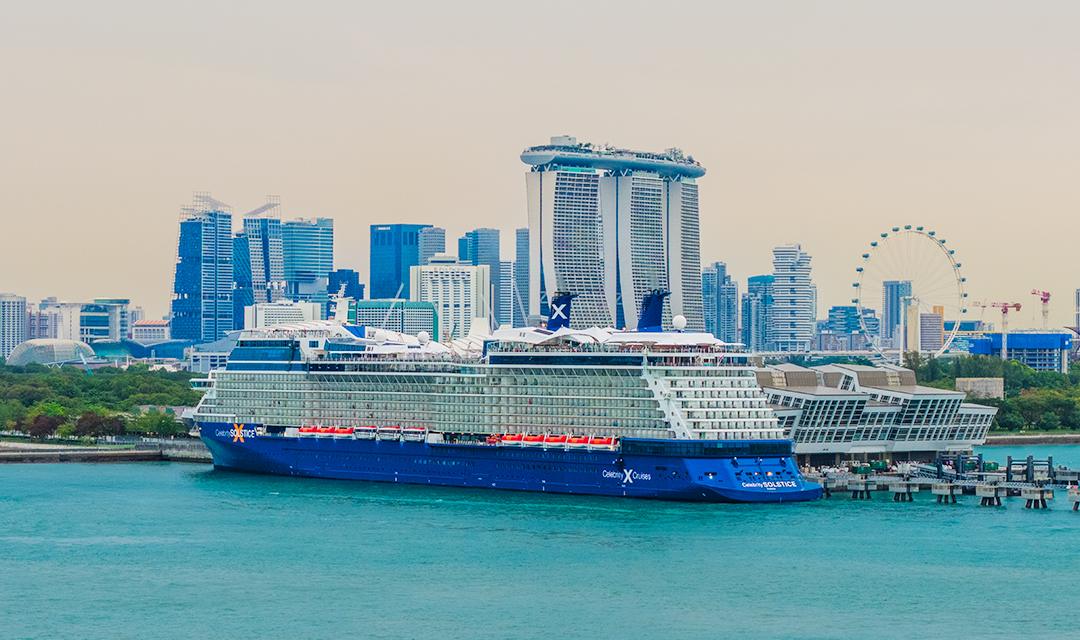
Singapore is gearing up for routine drydock maintenance on one of its major cruise ships, signaling both the end of the winter season in Southeast Asia and the Far East and the start of preparations for extended voyages in the months ahead. Drydocking is an essential process in the cruise industry, ensuring vessels remain safe, efficient, and fully compliant with maritime regulations before returning to service.
The Singapore ship’s temporary withdrawal from active sailing allows technicians and engineers to conduct thorough inspections, maintenance, and upgrades. Hull cleaning, engine checks, and systems testing are critical tasks during this period, helping prevent operational issues during future journeys. The process also provides an opportunity to implement cosmetic and technological enhancements, improving passenger comfort and onboard experiences.
For the region, the timing coincides with the seasonal transition from the winter months, when cruise itineraries typically focus on Southeast Asia and neighboring destinations. As demand shifts toward longer voyages and extended itineraries, Singapore cruise operators use drydock periods strategically to ensure ships are in optimal condition for more challenging routes, sometimes spanning multiple countries across the Far East.
Industry analysts note that these routine procedures are vital for sustaining long-term operations. By addressing wear and tear proactively, Singapore cruise lines minimize the risk of disruptions, maintain safety standards, and enhance operational efficiency. Additionally, scheduled maintenance periods often align with off-peak travel windows, allowing cruise lines to optimize deployment without significantly affecting passenger schedules.
Passengers can expect improvements in both safety and amenities post-drydock. From updated navigation and engineering systems to refurbished cabins and public spaces, drydock periods frequently result in a refreshed onboard environment. Operators often announce new offerings or enhancements in conjunction with a ship’s return, generating excitement for upcoming voyages.
Beyond operational benefits, drydock maintenance demonstrates a commitment to sustainability and regulatory compliance. Modern Singapore cruise ships are subject to stringent environmental standards, and scheduled upkeep ensures adherence to emission controls, waste management protocols, and energy efficiency measures, all of which contribute to responsible maritime practices.
As Singapore completes preparations and the ship enters drydock, the cruise industry looks forward to the upcoming season of extended journeys. Travelers can anticipate longer itineraries, enhanced experiences, and the confidence that safety and quality remain top priorities. This annual rhythm of maintenance, transition, and deployment underscores the complexity of cruise operations and the careful planning required to navigate both seasonal trends and operational demands successfully.